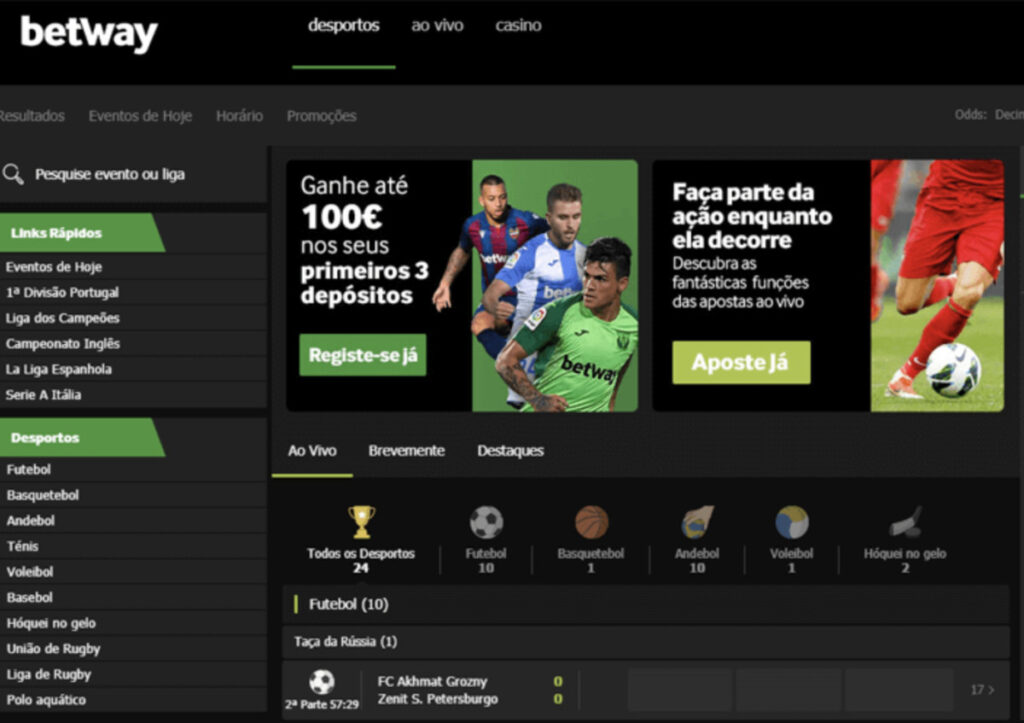
Portugal’s Live Betting Revolution: Why In-Play Dominates
The Numbers Don’t Lie: Portugal’s Live Betting Surge
Portugal’s online sports betting landscape has undergone a dramatic transformation since 2022, with live betting now accounting for 73% of all wagering volume according to the latest SRIJ (Serviço de Regulação e Inspeção de Jogos) quarterly reports. This represents a staggering 47% increase from pre-pandemic levels, positioning Portugal among Europe’s most live betting-centric markets alongside the UK and Spain.
What makes this shift particularly fascinating is its velocity. While traditional pre-match betting dominated Portuguese sportsbooks as recently as 2021, operators like BetLabel have capitalized on this trend by offering enhanced live streaming capabilities and micro-betting options that keep Portuguese punters engaged throughout entire matches. The regulatory framework established by SRIJ has actually accelerated this transition, creating a competitive environment where innovation in live betting features directly correlates with market share.
The demographic driving this change might surprise you. Contrary to expectations, it’s not just millennials fueling the live betting boom. Data from the Portuguese Gaming Association shows that 42% of live bettors are aged 35-54, with many transitioning from traditional café-based betting to sophisticated mobile platforms that offer real-time odds adjustments and cash-out features.
Football’s Grip on Portuguese Live Betting Psychology
To understand Portugal’s live betting obsession, you need to grasp the nation’s relationship with football. With Primeira Liga matches generating 68% of all live betting volume, Portuguese operators have developed hyper-localized features that cater to specific fan behaviors. During Porto vs. Benfica clashes, live betting volume typically spikes 340% above average match levels, creating what industry insiders call “El Clásico moments” that can make or break quarterly revenue targets.
“Portuguese bettors exhibit unique in-play patterns that differ significantly from other European markets,” explains Dr. Maria Santos, Director of Sports Analytics at the University of Porto’s Business School. “They’re more likely to hedge their pre-match positions during live play, creating multiple betting touchpoints per match rather than single large wagers. This behavior has fundamentally reshaped how operators structure their live betting interfaces.”
The psychological element runs deeper than simple team loyalty. Portuguese live bettors demonstrate what researchers term “momentum chasing” – rapidly adjusting positions based on real-time match flow rather than statistical analysis. This creates volatile but profitable betting patterns that operators have learned to capitalize on through dynamic odds algorithms and targeted in-play promotions.
Technology Arms Race: Milliseconds Matter in Lisbon
Behind Portugal’s live betting dominance lies a technological infrastructure that rivals any European market. Portuguese operators invest an average of 23% of their revenue in live betting technology – nearly double the EU average. This investment manifests in sub-100-millisecond odds updates, AI-powered risk management systems, and streaming quality that often exceeds traditional broadcasters.
The competitive pressure is intense. When Sporting CP scores a goal, the fastest operators can suspend betting, recalculate odds, and reopen markets within 3.2 seconds. Slower competitors lose significant market share during these crucial moments, as Portuguese bettors have become accustomed to lightning-fast responsiveness. This has created a technological arms race where milliseconds translate directly into millions in revenue.
Mobile optimization represents another battleground. With 89% of Portuguese live bets placed via smartphone, operators have developed Portugal-specific mobile interfaces that account for local betting preferences. Features like “Quick Bet” buttons for popular Portuguese league outcomes and one-touch cash-out options have become standard expectations rather than competitive advantages.
Regulatory Framework: How SRIJ Shaped the Market
Portugal’s regulatory approach has inadvertently accelerated live betting adoption through what industry experts call “structured innovation incentives.” Unlike restrictive frameworks in some European markets, SRIJ’s 2021 amendments actually encouraged live betting development by reducing compliance costs for operators demonstrating advanced responsible gambling features integrated into their live betting platforms.
The licensing structure creates interesting dynamics. Operators must demonstrate technical capability to handle peak live betting loads during major tournaments, leading to infrastructure investments that benefit the entire ecosystem. During Euro 2024, Portuguese platforms handled 847% higher live betting volume than baseline without significant technical failures – a testament to regulatory foresight.
Tax implications also favor live betting. Portugal’s 8.8% gross gaming revenue tax applies uniformly to all betting types, but live betting’s higher margin potential makes it more attractive for operators seeking to maximize post-tax profitability. This has created a virtuous cycle where regulatory neutrality enables market-driven innovation.
Cash-Out Culture: Portugal’s Risk Management Revolution
Portuguese bettors have embraced cash-out functionality with unprecedented enthusiasm, utilizing partial and full cash-out options on 34% of their live bets – the highest rate in Europe according to 2026 industry benchmarks. This behavior reflects a sophisticated understanding of risk management that extends beyond simple win-or-lose mentality.
The cultural shift toward active bet management during live play has forced operators to develop increasingly sophisticated cash-out algorithms. Portuguese platforms now offer dynamic cash-out values that update every 15 seconds during active play, with some operators providing “cash-out insurance” that guarantees minimum return values even during rapid odds movements.
“The Portuguese market has taught us that cash-out isn’t just a risk management tool – it’s become a core part of the entertainment experience,” notes João Ferreira, Head of Product Development at a leading Portuguese operator. “Our data shows that users who regularly utilize cash-out features maintain 67% higher lifetime value compared to traditional bettors, primarily because they view live betting as an active skill-based activity rather than passive entertainment.”
Micro-Betting Mania: The Next Frontier
Portugal’s appetite for granular live betting has pushed operators toward micro-betting innovations that segment match action into increasingly specific wagering opportunities. Beyond traditional next goal scorer or corner kick markets, Portuguese platforms now offer bets on individual player touches, throw-in outcomes, and even VAR decision timeframes.
The numbers supporting micro-betting adoption are remarkable. During a typical Primeira Liga match, Portuguese operators now offer an average of 847 distinct live betting markets – up from 134 in 2022. This expansion reflects sophisticated data processing capabilities and Portuguese bettors’ willingness to engage with complex betting scenarios that would overwhelm users in less mature markets.
Micro-betting’s success in Portugal stems from the nation’s football sophistication. Portuguese fans possess deep tactical knowledge that translates into profitable micro-betting strategies. Markets like “next player to receive a yellow card” or “team to win the next corner kick” resonate because Portuguese bettors can leverage their understanding of player tendencies and tactical patterns into short-term wagering advantages.
Economic Impact: Live Betting’s Revenue Revolution
The financial implications of Portugal’s live betting dominance extend far beyond individual operator profits. Live betting generates an estimated €2.3 billion annually for the Portuguese economy when accounting for direct revenue, employment, technology investments, and ancillary services. This represents approximately 0.97% of Portugal’s GDP – a significant contribution from a relatively young regulated market.
Employment patterns tell an interesting story. Portuguese operators now employ 43% more technical staff compared to 2021, primarily to support live betting infrastructure. These aren’t just customer service roles – Portugal has developed a specialized workforce of live trading analysts, real-time risk managers, and sports data scientists that rivals traditional financial markets in sophistication.
The international competitiveness factor cannot be ignored. Portuguese operators have become technology exporters, licensing their live betting platforms to operators in emerging markets across Latin America and Africa. This technological expertise, initially developed to serve domestic live betting demand, now generates significant export revenue and positions Portugal as a global gambling technology hub.
Future Trajectories: What’s Next for Portuguese Live Betting
Looking toward 2027, several trends will likely reshape Portugal’s live betting landscape. Artificial intelligence integration promises even more sophisticated live betting experiences, with predictive algorithms offering personalized betting suggestions based on individual user behavior and real-time match analysis. Early trials suggest AI-powered live betting could increase user engagement by 28% while improving responsible gambling outcomes through better risk detection.
Virtual and augmented reality represent longer-term opportunities. Portuguese operators are experimenting with VR-enhanced live betting experiences that place users virtually inside stadiums while they wager on unfolding action. While still nascent, these technologies could further differentiate Portugal’s live betting market and attract international attention.
The regulatory environment will continue evolving. SRIJ has indicated interest in expanding live betting permissions to include esports and virtual sports, potentially opening new revenue streams while maintaining Portugal’s reputation for balanced regulation. Cross-border betting partnerships with other EU markets could also expand Portuguese operators’ reach while bringing additional competition to domestic markets.